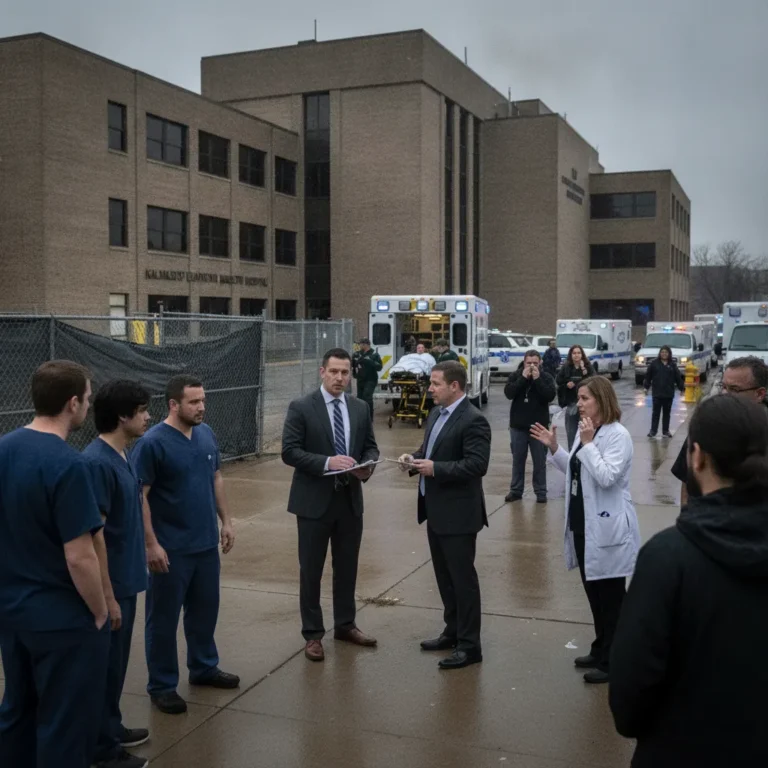
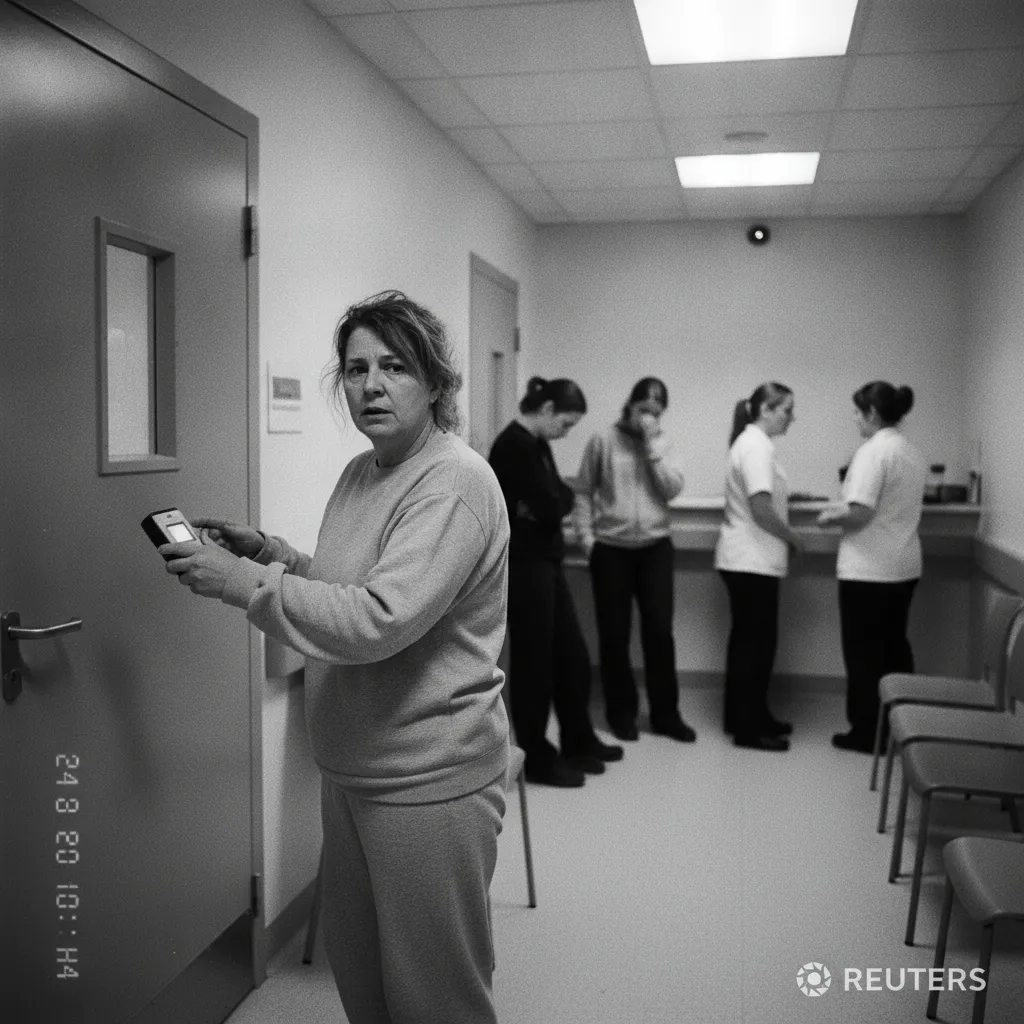
A public inquiry has revealed that mental health patients in Essex were subjected to bedroom surveillance by default, often waiting up to three days for permission to have the cameras disabled. The Oxevision system, which utilizes infrared sensors to track breathing and heart rates, was automatically active upon admission to several wards managed by the Essex Partnership University NHS Foundation Trust. Patients who objected to the monitoring had to undergo a review by a multidisciplinary clinical team, creating a bureaucratic delay that left many under observation without their explicit consent.
The trust has since admitted that its approach to patient privacy was flawed. Zephan Trent, the executive director of strategy, transformation and digital, conceded that consent should never have been implied upon arrival but should instead have been an explicit choice made by the patient. This revelation comes as part of the wider Lampard Inquiry, which is investigating the deaths of over 2,000 inpatients across various Essex mental health units spanning nearly twenty five years. While the trust shifted to an opt-in policy in late 2026, the previous regime raised significant questions about dignity and autonomy within psychiatric care.
Beyond the issue of consent, the inquiry highlighted alarming reports regarding how the technology was actually utilized on the wards. Although LIO Health, the developer of Oxevision, insists the tools are meant to supplement rather than replace physical checks, NHS England identified dozens of instances where staff relied on short video clips instead of visiting patients in person. Furthermore, regulators expressed skepticism over claims that the system reduced self harm, noting that necessary clinical evidence was never provided to back up those assertions.
Despite these controversies, EPUT defended its investment of 4.3 million pounds into the system between 2020 and 2025. Officials argued that a majority of trial patients felt safer with the technology and credited it with saving lives through rapid intervention during crises. As Baroness Lampard considers whether emergency measures are needed to protect current patients, families affected by these policies are preparing to submit their own recommendations during upcoming hearings at the Civic Centre in Chelmsford.